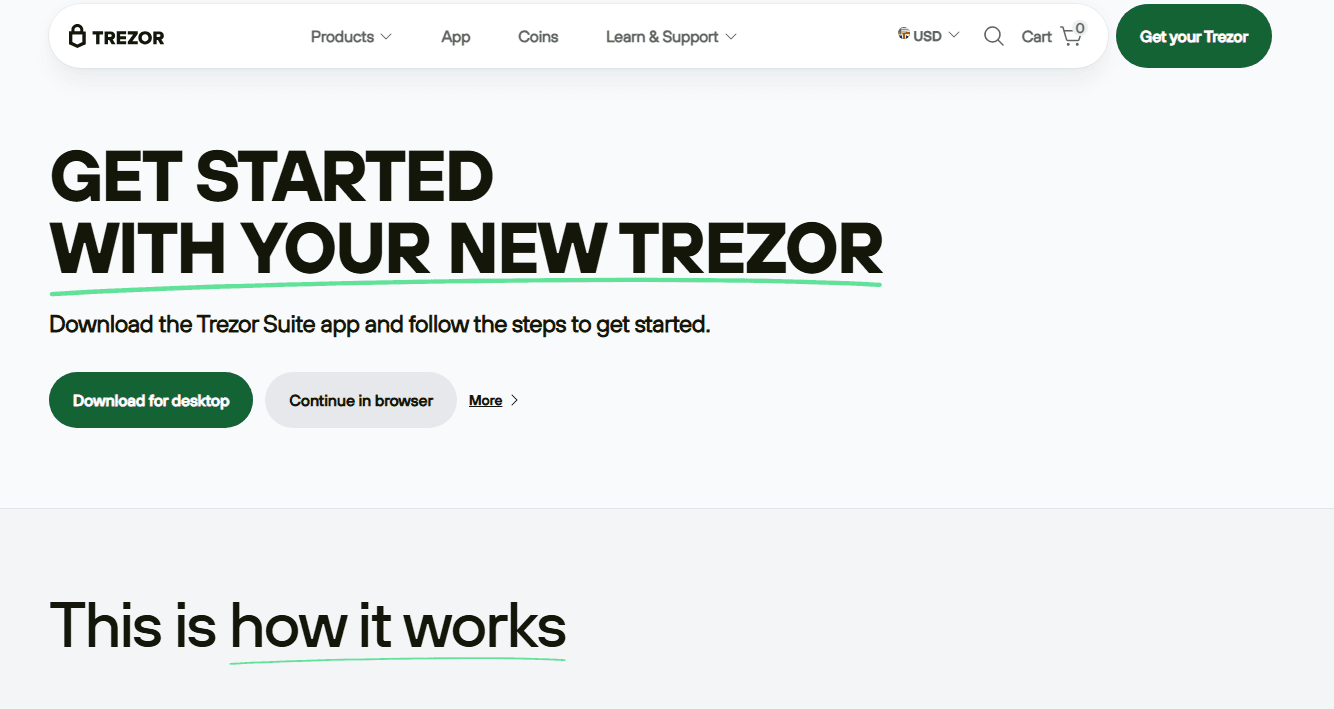
Trezor.io/start: A Simple Guide to Protecting Your Digital Assets
Introduction
With the rapid growth of cryptocurrencies, security has become a top priority for investors and users alike. While online wallets and exchanges offer convenience, they are also vulnerable to cyberattacks and data breaches. Hardware wallets provide a safer alternative by keeping private keys offline. Trezor.io/start is the official entry point for setting up a Trezor hardware wallet, ensuring users follow a secure and trusted process from the very beginning.
What Makes Trezor a Trusted Choice
Trezor is one of the earliest and most respected names in the hardware wallet industry. It was created to give users full ownership and control of their digital assets without relying on centralized platforms. A Trezor wallet stores private keys in a secure device that remains isolated from internet threats. This design significantly reduces the risk of hacking, phishing, and malware-based attacks.
Role of Trezor.io/start
Trezor.io/start serves as the official setup and guidance page for new Trezor users. Instead of searching for instructions across multiple websites, users can rely on this single page for accurate and up-to-date information. It ensures that the software downloaded is authentic and that each setup step follows Trezor’s security standards. Starting here helps users avoid counterfeit apps and fraudulent setup guides.
Why Using the Official Setup Page Is Important
Many scams target beginners by imitating well-known wallet brands. Fake websites and applications often trick users into revealing sensitive information. By using Trezor.io/start, users reduce the risk of falling victim to such scams. The page verifies the device, guides firmware installation, and ensures that all actions are confirmed directly on the hardware wallet.
Trezor Devices Supported
Trezor.io/start supports multiple devices, including Trezor Model One and Trezor Model T. While both devices share the same security principles, they differ in design and features. The setup page automatically adjusts instructions based on the selected model, making the process easy even for first-time users.
Getting Started With Setup
Checking the Packaging
Before connecting the device, users should carefully inspect the packaging. A genuine Trezor package should be sealed and free from damage or tampering. Trezor devices are intentionally shipped without pre-installed firmware, which ensures that no one has accessed the device before the user.
Connecting the Device
After unboxing, connect the Trezor device to a computer or supported mobile device using the original USB cable. Open a web browser and manually enter Trezor.io/start. Choosing the correct device model begins the guided setup experience.
Installing Trezor Suite
The next step involves installing Trezor Suite, the official software used to manage cryptocurrencies. Trezor Suite allows users to view balances, send and receive assets, manage multiple accounts, and customize security settings. Downloading this software only through the official instructions is essential to maintaining wallet security.
Firmware Installation and Updates
Once Trezor Suite is installed, users are guided through firmware installation or updates. Firmware is the internal software that runs on the hardware wallet. Installing the latest firmware ensures access to new features and protection against known vulnerabilities. All firmware actions must be approved on the device screen, preventing unauthorized changes.
Creating and Backing Up the Wallet
Generating the Wallet
After firmware installation, users can create a new wallet. During this step, the device generates a recovery seed made up of 12 or 24 random words. This process takes place offline, ensuring that the private keys remain secure at all times.
Understanding the Recovery Seed
The recovery seed is the most critical element of wallet security. It acts as a complete backup of the wallet and can restore access to funds if the device is lost, damaged, or replaced. Anyone with access to the recovery seed can control the wallet.
Safe Storage Practices
Users should write the recovery seed on paper and store it in a secure, offline location. It should never be stored on a phone, computer, or cloud service. Sharing the recovery seed with anyone, even trusted individuals, is strongly discouraged.
Strengthening Security After Setup
Setting a PIN Code
During setup, users are required to create a PIN for their Trezor device. This PIN protects the wallet from unauthorized physical access. A strong PIN adds an important layer of defense if the device is lost or stolen.
Using Advanced Security Features
Trezor Suite offers additional security options such as passphrase protection. A passphrase creates separate hidden wallets linked to the same recovery seed, providing extra protection even in worst-case scenarios.
Keeping Everything Updated
Regular updates to both Trezor Suite and device firmware are essential. Updates help address newly discovered threats and improve overall performance and compatibility with different cryptocurrencies.
Mistakes Users Should Avoid
Trusting Unverified Sources
Users should always access Trezor.io/start by typing it directly into their browser. Links from emails, ads, or social media may lead to phishing websites.
Sharing Confidential Information
Trezor support will never ask for recovery seeds or PINs. Any request for such information is a scam and should be ignored.
Skipping Important Steps
Backup verification steps during setup should never be skipped. These steps ensure the recovery seed has been recorded correctly